ServicesGrading
Lot Grading in East Flat Rock
We shape the ground so rain drains away from the house and the foundation rests on solid, level soil. Before any equipment runs, you receive a written scope covering the cut, the fill, the drainage work and the price drivers, so nothing is tacked on afterward.
What grading does for your lot
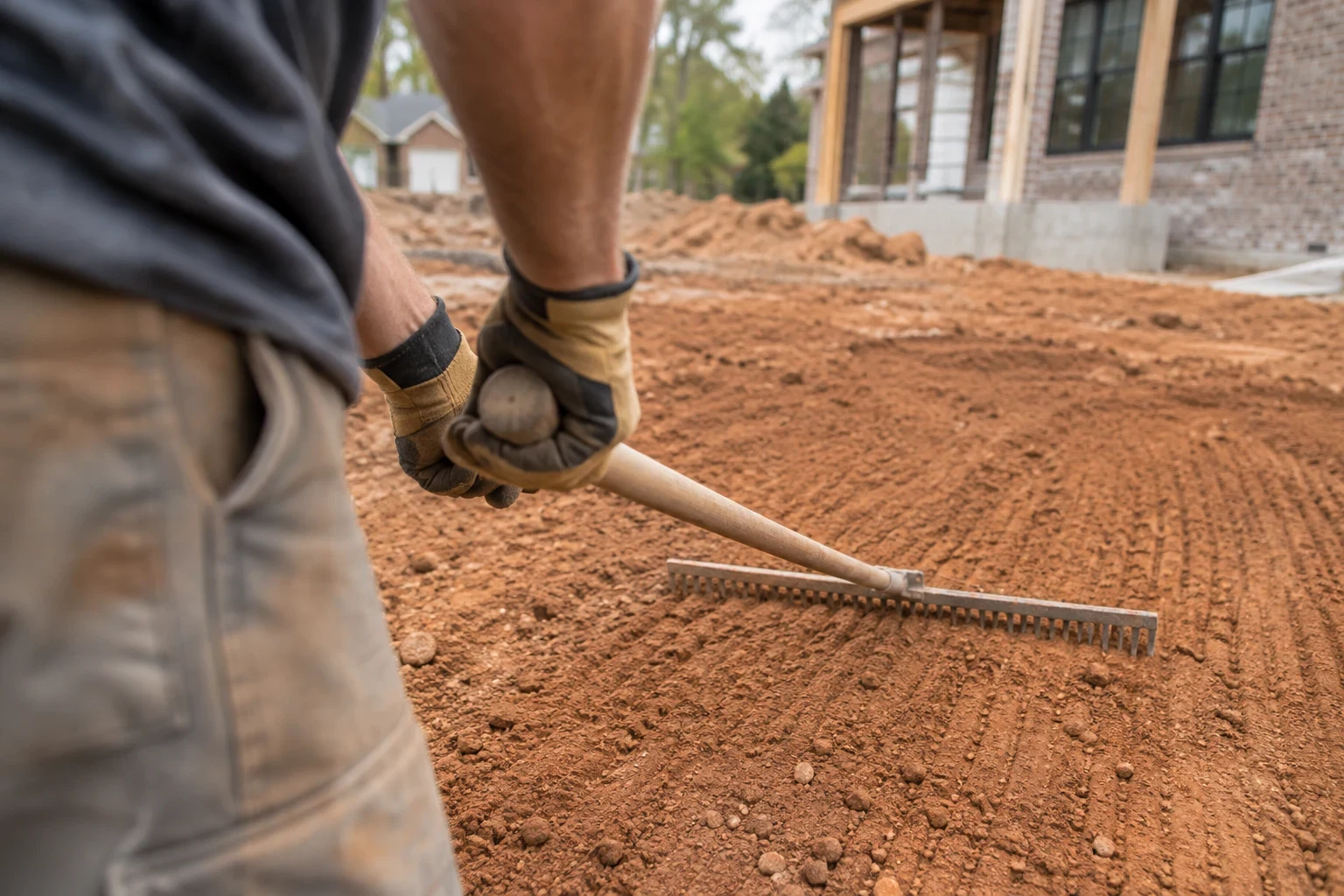
Grading is the earthwork between land clearing and the foundation. We cut down high spots, fill and compact low ones, and set the slope of the ground so rain moves away from where the house will sit. On a remodel or addition, it often means reshaping part of the yard so the new space doesn't end up sitting in a puddle.
Many lots around here have red clay under a thin layer of topsoil, and clay holds water and swells. That is why how the soil is placed and compacted matters as much as the finished shape. Done right, your foundation stays dry, your driveway holds its edges, and your yard drains after a heavy storm instead of ponding.
Every job starts with a written quote that describes the work in plain terms. If digging turns up something nobody could see, like a ledge of rock or old buried stumps, we stop, show you, and put any change in writing before it happens. We are licensed and insured in NC and SC.
What our grading work includes
- Site walk and grade plan
- We walk the lot with you, check elevations and mark where the house, driveway and drainage paths will go. That plan becomes the basis for your written quote.
- Rough grading, cut and fill
- We move soil from high areas to low ones and compact the new soil in thin layers rather than dumping it all at once. Layered compaction keeps the ground from settling under slabs, footings and walkways.
- Building pad preparation
- For a new custom home or addition, we leave a level, compacted pad at the right height for the foundation crew. If you are also using us for foundation work, the handoff happens on the same schedule.
- Drainage slopes and swales
- We set the ground to fall away from the house, typically about six inches over the first ten feet, and shape shallow swales to carry water around the building instead of toward it.
- Driveway and parking base
- We cut and shape the driveway path with a crown or side slope so runoff leaves the surface, ready for gravel or paving.
- Final grade and erosion control
- We spread topsoil, set silt fence where it's needed and cover bare soil with seed and straw so the work holds through the next rain.
Clues Your Lot Needs Grading
Puddles beside the foundation
If water sits against the house a day after a storm, the ground is pitched the wrong direction. Eventually that water works into the crawlspace or basement.
A wet crawlspace after rain
A musty smell or standing water under the house usually comes from surface runoff rather than plumbing. Regrading tends to be the first and least costly fix.
Ruts and eroded soil
Channels carved through the lawn or mulch beds show water moving too fast and in too narrow a path.
Driveway gravel that keeps washing away
When gravel spills into the yard after each heavy rain, the driveway lacks a crown or a route for the water.
A lot that was just cleared
After land clearing, the ground has to be shaped before footings can be poured. Grading is the next move toward a site you can build on.
What affects the cost of grading
No two lots move the same amount of dirt, so we price grading from what we see on your site. Your written quote lists each of these factors and how it applies to your job. If one changes once work begins, you hear about it before we act on it.
Lot size and slope
A gentle, open lot needs far less cutting and filling than a steep hillside. Steeper ground can also call for retaining or terracing.
Soil and rock
Clay, loose fill and buried rock all handle differently. Rock that needs breaking or removal adds time and equipment.
Soil brought in or hauled off
Trucking in extra dirt or hauling away what's left over adds cost. We try to balance cut and fill on site when the ground allows it.
Access and drainage work
Tight access slows equipment. Swales, pipe or added drainage features add materials and labor.
Permits and erosion control
Larger disturbed areas may need permits, silt fence and stabilization, all of which are listed separately in your quote.
How a grading job runs
- 1
Phone call and site visit
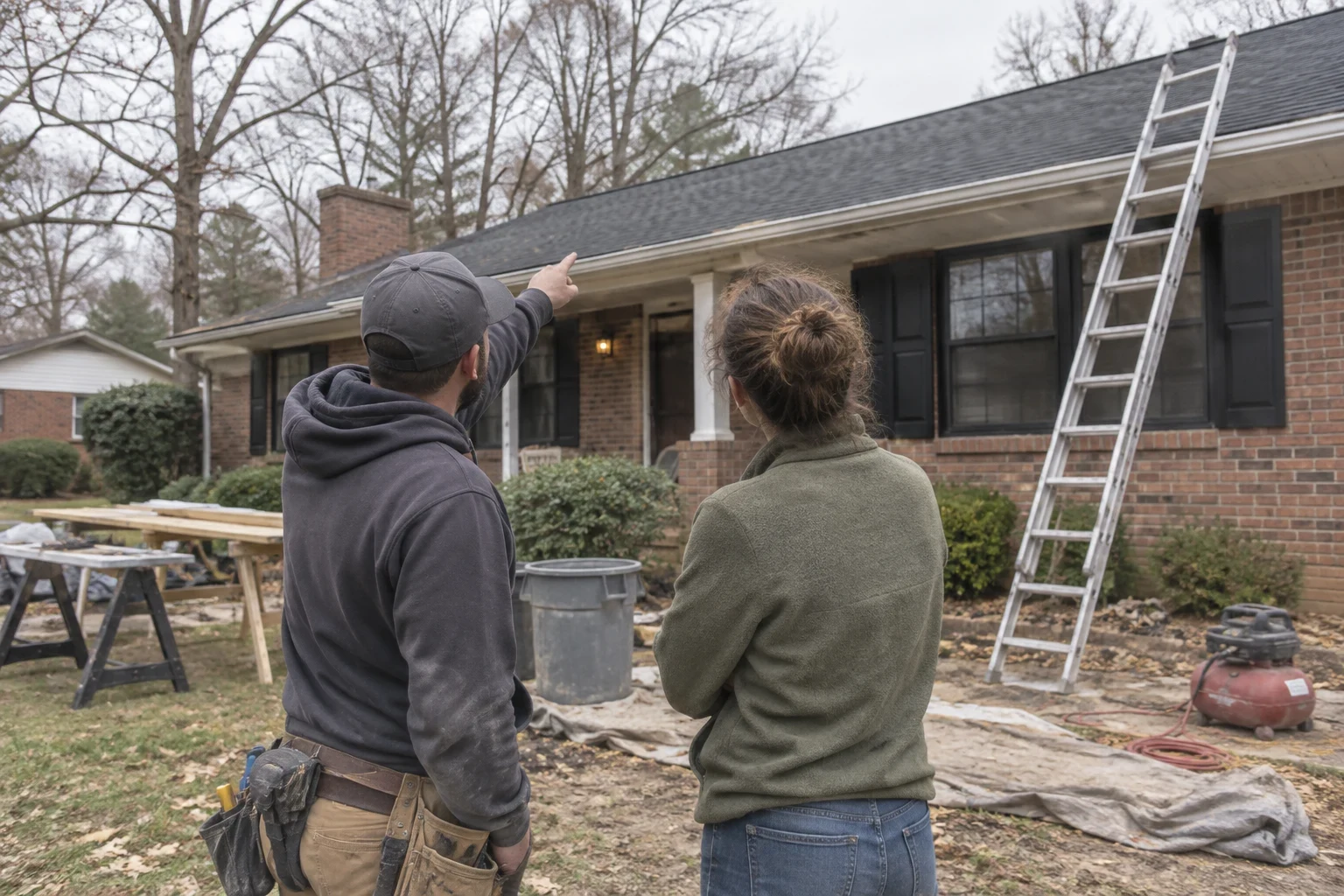
We talk through your plans by phone, then meet you on the lot to look at slope, soil, access for equipment and where water goes now.
- 2
Your written quote
You get the scope in writing: areas to cut and fill, any soil brought in or hauled off, drainage work, erosion control and the factors that set the price. You can ask questions before you commit.
- 3
Permits and site setup
If your project needs a land-disturbance or erosion control permit, we handle the paperwork. Silt fence goes up before the first scoop of dirt moves.
- 4
Grading days
We cut, fill and compact, checking elevations with a laser level as we go. We keep equipment on the paths we agreed on and away from trees and areas you want left alone.
- 5
Walk-through and cleanup
We walk the finished grade with you, often after a rain so you can see the water move. Then we seed, straw and clean up the work area.
Common Grading Questions
Does a fairly flat lot still need grading?
Often it does. A lot that seems level can still lean an inch or two toward the house, which is enough to push water at the foundation. We check elevations on the site visit and tell you plainly if the work is light or not needed at all.
How many days does grading take?
Regrading a yard around an existing home can take a day or two. A complete building pad and driveway on a slope may run a week or longer. Weather plays a part, since wet clay won't compact correctly, so we plan around rain.
What if you run into rock?
We pause and show you. Then we lay out the choices, like going around it, breaking it up or changing the grade, and write down any cost change before continuing.
Will you handle both clearing and grading?
Yes. Running land clearing and grading as one job keeps the schedule tight and saves paying for two crews to set up. We can continue right into foundation work and the custom home build too.
Does your grading come with a warranty?
Yes, a 1-year warranty on workmanship. If a slope we formed or a pad we compacted doesn't work as promised during that year, call us and we'll come back and look at it together.
Talk through your lot before the first scoop
Tell us what you're building or what the water is doing now. We'll set up a consultation, look at the ground with you and put the scope and price factors in writing.